AI in Oncology: A Game-Changing Leap Forward
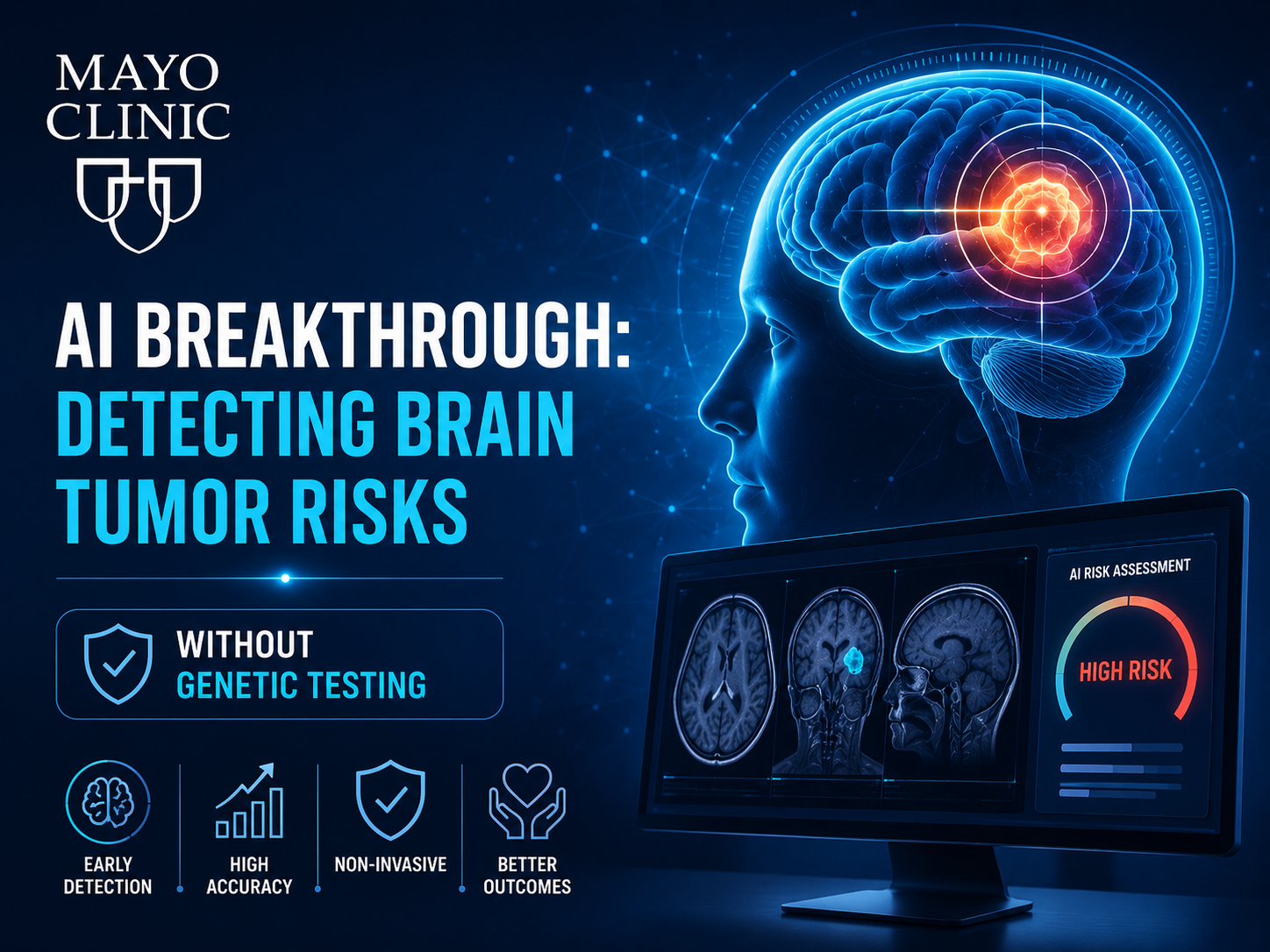
The landscape of brain tumor diagnosis is undergoing a revolutionary transformation, thanks to groundbreaking research from the Mayo Clinic. A new AI-powered model is demonstrating the ability to predict genetic markers of brain tumors using standard medical imaging—no costly genetic sequencing required. This innovation could democratize access to life-saving diagnostics and reshape how neuro-oncology is practiced worldwide.
How Mayo Clinic's AI Model Works
Unlike traditional diagnostic workflows that rely on biopsies and genomic sequencing, the Mayo Clinic AI model analyzes routinely collected MRI scans to identify hidden patterns. These patterns correlate with specific genetic mutations that typically drive tumor behavior and treatment response.
- Input: Standard brain MRI images
- Processing: Deep learning algorithms trained on thousands of historical patient cases
- Output: Probability scores for high-risk genetic markers, including MGMT promoter methylation and IDH mutations
5 Key Findings From the Study
- High Accuracy Rates – The AI model achieved accuracy levels exceeding 90% in identifying specific genetic biomarkers from imaging alone.
- Significant Cost Reduction – Genetic testing for brain tumors can cost between $3,000 and $5,000, while MRI scans are already part of standard care.
- Faster Turnaround Times – Results from genetic tests can take 2–4 weeks, whereas the AI delivers predictions in minutes.
- Wider Accessibility – The tool could benefit patients in rural and underserved areas where genetic testing infrastructure is limited.
- Non-Invasive Approach – Patients avoid the risks and discomfort associated with surgical biopsies in certain cases.
Why This Matters: Real-World Implications
Consider a 54-year-old patient in a rural community presenting with symptoms of a brain tumor. Traditionally, accessing genetic profiling would require referral to a specialized center, insurance approvals, and weeks of waiting. With this AI tool, clinicians can make faster, more informed treatment decisions on day one.
"This technology has the potential to bring precision medicine to every patient, regardless of geography or economic status," said a Mayo Clinic researcher involved in the study.
Key Statistics Behind the Research
- Over 800,000 people are diagnosed with brain tumors globally each year, according to the World Health Organization.
- In the United States alone, more than 700,000 individuals are living with a primary brain tumor.
- The Mayo Clinic study analyzed imaging data from thousands of patients across multiple institutions to validate the model.
- Genetic sequencing accounts for up to 30% of total diagnostic costs in complex neuro-oncology cases.
The Broader LLM Connection
This breakthrough reflects the expanding role of large language models (LLMs) and multimodal AI systems in healthcare. By integrating imaging data with clinical notes and patient history, future iterations of these tools could deliver comprehensive diagnostic insights from a single patient encounter.
Challenges and Future Outlook
Despite the promising results, several challenges remain before widespread clinical adoption:
- Regulatory Approval – The FDA will need to evaluate the model before it can be deployed in mainstream clinical practice.
- Data Diversity – Expanding training datasets to include diverse populations will be critical to avoid bias.
- Integration with EHRs – Seamless integration into electronic health record systems will determine real-world usability.
As AI continues to mature, the Mayo Clinic study stands as a compelling proof of concept—demonstrating that intelligent algorithms can extract life-changing insights from data we already collect. For patients, clinicians, and healthcare systems, the future of brain tumor diagnostics looks faster, cheaper, and more equitable than ever before.
